When specifying architectural glazing for a residential or commercial project, one of the most common questions asked is: what thickness should safety glass be? The short answer is that it depends on factors such as the location, usage, size of the panel, and type of safety glass required. However, understanding industry norms and structural considerations can help inform appropriate product selection.
Types of Safety Glass
There are two main types of safety glass commonly used in high-end construction:
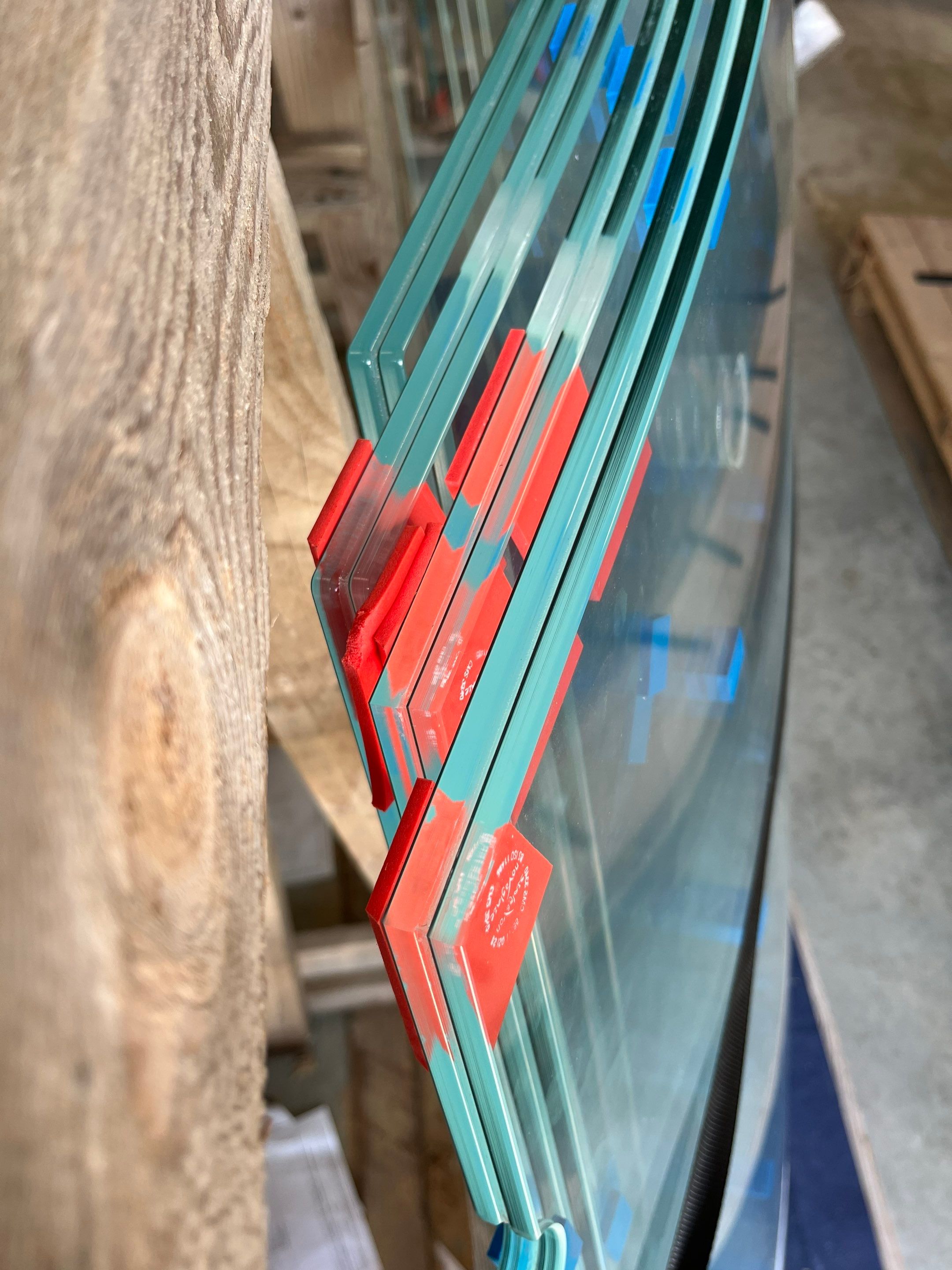
Toughened Laminated Glass: Made from two or more layers of glass bonded with a flexible interlayer, laminated glass holds together when broken and offers additional acoustic and UV resistance. It is required in locations with a risk of human impact or where fall protection is needed.
Toughened (Tempered) Glass: This is heat-treated to increase strength and shatter into small, blunt fragments if broken. It is typically used where resistance to thermal stress or impact is required.
Typical Safety Glass Thicknesses
Glass thickness is measured in millimetres (mm). Here are the standard thickness ranges for various safety glass products:
4mm–6mm Toughened Glass: Often used in small panels, such as single-glazed partitions or cabinet doors, where minimal structural demand is placed on the glass.
8mm–10mm Toughened Glass: Commonly used in frameless doors, side panels, and frameless glass shower enclosures. Also suitable for certain types of infill balustrading (where the structural demand is not on the glass such as post and rail balustrade) and infill panels for Ecclesiastical & Historical Buildings .
12mm–15mm Toughened Glass: Appropriate for taller frameless entrances, glass canopies, and infill balustrades . These thicknesses offer greater resistance to bending and are often specified in high-traffic areas.
11.5mm–25.5mm Laminated Glass: Used in toughened laminated combinations for structural applications such as glass floors, walk-on rooflights, and load-bearing barriers. The thickness here varies based on load span and deflection criteria.
Choosing the Right Thickness for Your Project
There’s no one-size-fits-all solution when it comes to specifying safety glass. In high-end architectural design, factors like glass area, fixing method, edge support, line load requirements, wind load, and possibly local building regulations all play a role.
For example, an external frameless glass balustrade on a balcony needs to resist significant wind loading and prevent fall risks. In accordance with Part K of building regulations, this requires toughened laminated glass no less than 21.5mm thick, especially if the glass is unframed at the top, providing a line load of 0.74kN/m. In contrast, a structural glazed link between buildings might rely more on structural silicone joints and suspended fixing systems, making the optimal thickness dependent on overall span and support layout.
Expert Design Input for Non-Standard Requirements
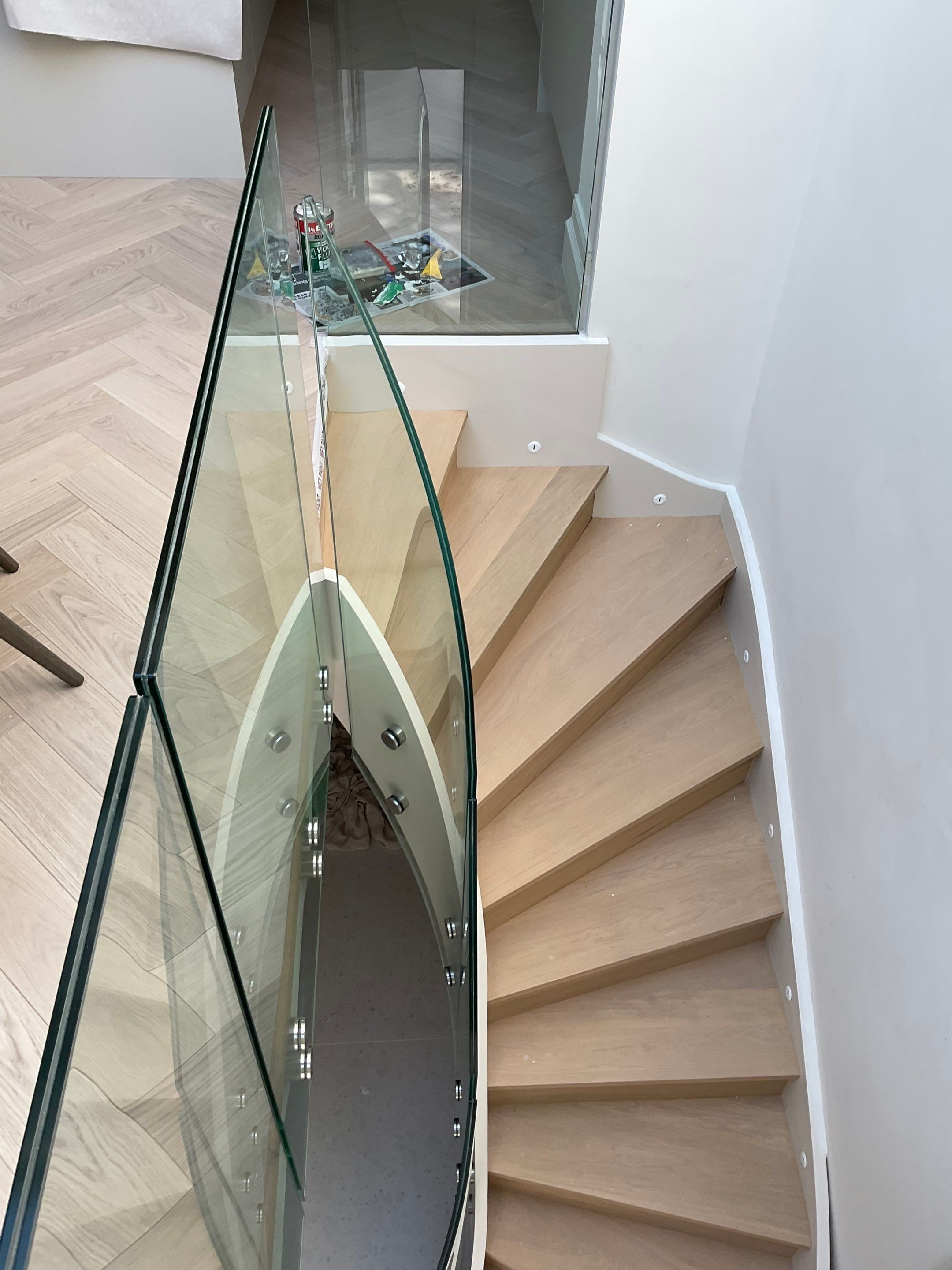
Precision Glass Ltd regularly works on projects that fall outside the typical parameters. From curved glass balustrades to oversized structural units, each specification is reviewed in context to ensure compliance, performance, and visual intent are all achieved. Our team examines everything from point loads and connection detailing, to glass behaviour under thermal expansion and stress zones caused during installation.
We also collaborate with contractors, steel fabricators and glazing engineers to ensure that final glazing interfaces are practical and designed with longevity in mind.
Need Advice on Glass Specification?
If you’re unsure what thickness or type of safety glass is best for your project, it’s worth getting guidance early. At Precision Glass Ltd, we will help you throughout the project to ensure you specify the correct glass for compliance and safety.
Get a Quote or Call Our Team
Contact our team today to discuss your plans, request a quote, or arrange a survey.
📞 Call us now: 01444 717317
📩 Or request more information using the form below:
Other Blogs
- Architectural Glazing: Essential Moving Equipment SolutionsWhen Standard Methods Fall Short Many architectural glazing installations are constrained by factors such as tight site access, restricted lifting points, or complex geometries. Curved glass balustrades, walk-on glass floors… Read More »Architectural Glazing: Essential Moving Equipment Solutions
- Curved Staircase Design: Transforming Architectural Glass
 Why Choose a Curved Staircase? Unlike traditional straight staircases, a curved design introduces a sense of movement and organic flow into a structure. It can soften harsh lines, add architectural… Read More »Curved Staircase Design: Transforming Architectural Glass
 - What is the difference between a glass room and a conservatoryWhat is a Glass Room? A glass room is a bespoke, minimalist structure primarily made from structural glazing and aluminium or frameless components. Unlike traditional conservatories, glass rooms are designed… Read More »What is the difference between a glass room and a conservatory