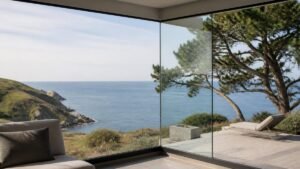
High-performance architectural glazing is more than just design and material specification. It involves rigorous consideration of how each piece of glass will be safely and accurately installed on-site. In particular, when working with large, curved or frameless elements. As glass panels increase in size and complexity, so does the need for precise movement, positioning and installation.
This is where specialist moving equipment becomes essential. For architectural glazing projects involving oversized glass, structural glazing or challenging access conditions, tailored logistical planning and the right installation tools are crucial to achieving a safe, successful outcome.
When Standard Methods Fall Short
Many architectural glazing installations are constrained by factors such as tight site access, restricted lifting points, or complex geometries. Curved glass balustrades, walk-on glass floors and frameless porches are attractive features, but they often require delicate handling and manoeuvring during installation. Without the right support, even the most carefully designed glass component can be compromised during delivery or placement.
Precision Glass Ltd frequently works on architectural glazing projects that deviate from standard parameters. In our experience, traditional approaches and manual handling alone are high-risk for non-standard installations. That’s why we incorporate a full range of specialist glass handling tools into our workflows, supporting the delivery of safe, efficient and technically competent solutions.
Commonly Used Specialist Equipment
Depending on the site conditions and glazing specification, several types of specialist equipment may be employed to ensure accuracy and safety:
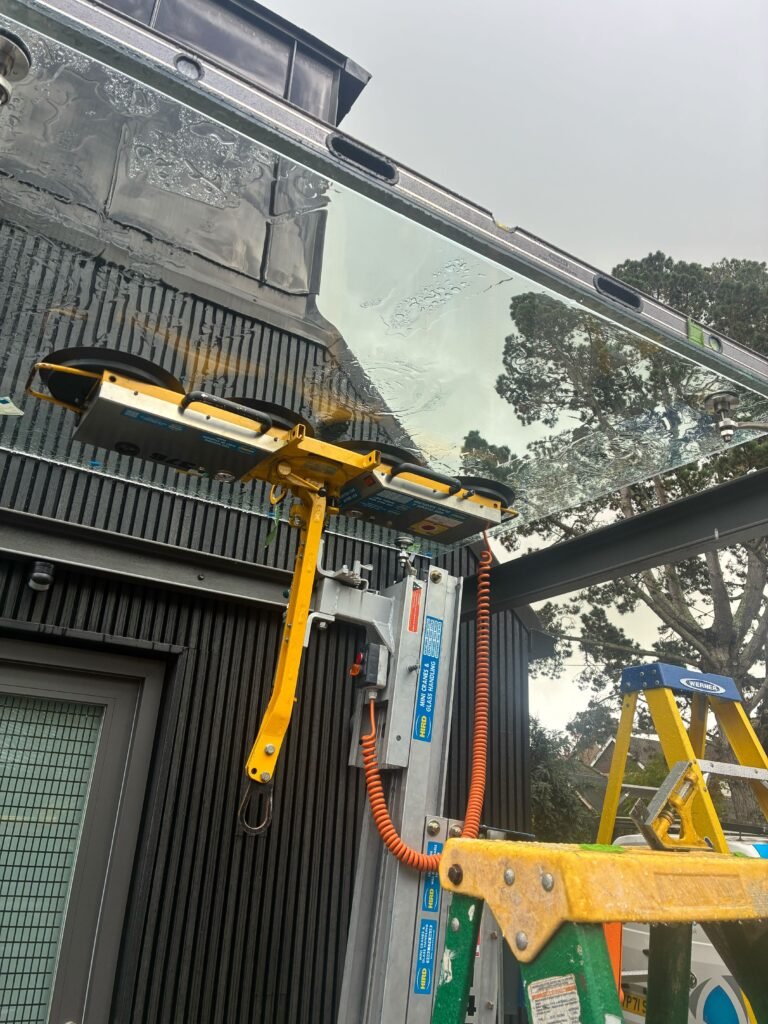
- Vacuum Lifters: Suction-based lifting equipment is used to safely grip and manoeuvre large or awkward-shaped glass panels. These can be easily adjusted for interior or exterior environments and allow for tilting, rotating and precise alignment.
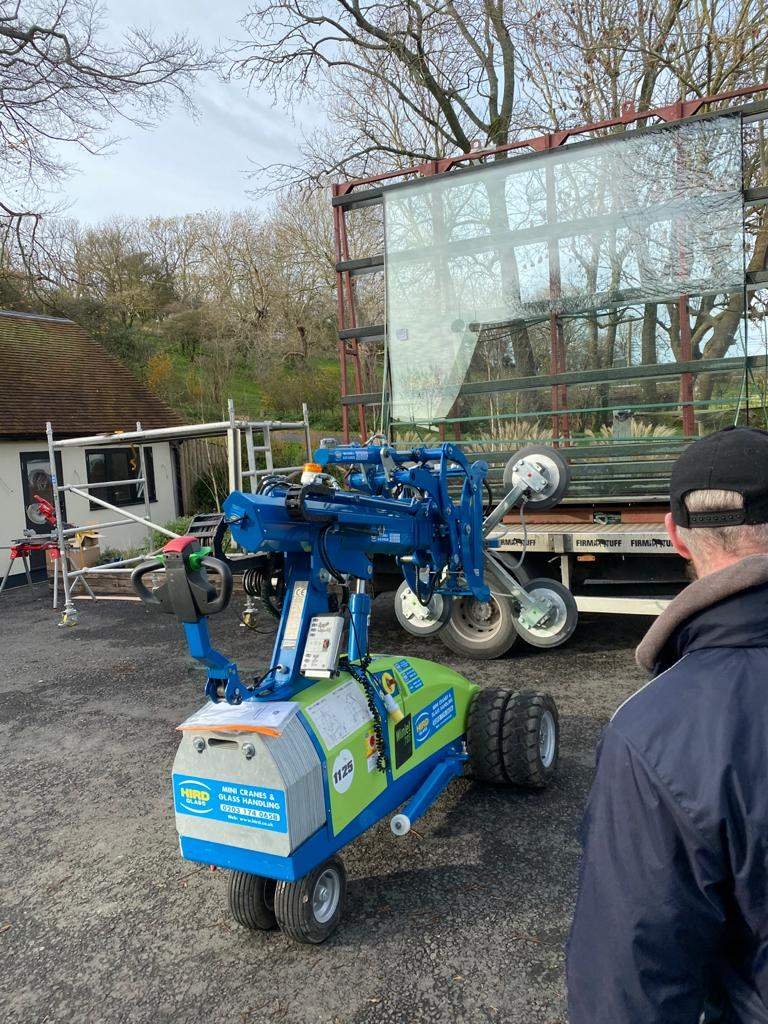
- Spider Cranes and Compact Lifting Devices: These machines offer the ability to manoeuvre heavy panels within restricted or confined site areas. Their small footprint and flexible operation allow access to spaces conventional cranes can’t reach.
- Glazing Robots: Self-propelled units that enable a single technician to lift, transport and install panels, often used for internal installations and ground-floor access points.
- Glass A-Frames & Stillages: While simpler, these play a crucial role in the safe transport and temporary storage of glass units on-site, especially in busy or shared access environments.
All installations are considered on a case-by-case basis, with logistics planned in line with the structural needs of the product and the practical characteristics of the site.
Designed for Complex Environments
At Precision Glass Ltd, we are accustomed to working on technically demanding glazing projects where coordination, timing and movement are just as critical as design. For example, the installation of oversized glazing often requires collaboration with glass engineers, and non-intrusive handling to avoid marking or damaging the glass finish. In such instances, remote-controlled lifting devices and non-abrasive contact systems are essential.
We also collaborate closely with other contractors and trades on-site to ensure installations proceed in the right sequence and with the necessary clearance for specialist machinery to operate safely. Regardless of project scale, our technical team prepares risk assessments and method statements that reflect the unique moving and lifting requirements of each build. Where needed, we also coordinate lift plans and arrange plant hire or operator training aligned with site regulations.
Future-Proofing from Design Stage
Effective glazing specification includes thinking beyond structural performance and aesthetics. If a glass component cannot be lifted and installed with precision and safety, it may not be suitable, regardless of visual intent. We regularly support architects and designers at pre-construction stages, advising on practical installation routes and tolerances for oversized or unusually shaped glazing elements.
This approach ensures that design ambition can be realised without compromising safety, compliance or final finish. In essence, smart design anticipates installation, especially when dealing with oversized architectural glazing.
Working With a Specialist Makes the Difference
Choosing a glazing partner with proven experience in handling structurally complex installations can reduce risk, save time and avoid costly rework. At Precision Glass Ltd, we’re familiar with the realities of challenging sites, restricted access and time-sensitive delivery schedules. Our ability to plan and execute the safe handling of unique glazing units—tailored to site-specific constraints—is one of the key reasons clients continue to trust us.
If you’re specifying architectural glazing for a project that involves logistics complexity, difficult access or non-standard formats, we invite you to contact our team. We’re here to help develop a practical, buildable route from concept right through to installation.
Follow us on Instagram to see our latest projects.
Get a Quote or Call Our Team
Contact our team today to discuss your plans, request a quote, or arrange a survey.
📞 Call us now: 01444 717317
📩 Or request more information using the form below:
Other Blogs
- Frameless Glass Corner Windows: A Design Guide
 Learn how frameless glass corner windows work, from structural engineering to installation. A practical guide for architects and builders.
 - How to Request a Bespoke Glass Design QuotationRequest a bespoke glass quotation with confidence.
- Bespoke Curved Glass Installation GuideComplete guide to bespoke curved glass installation. Learn measuring, fabrication, handling, and on-site fitting for architectural glazing projects.